







Search Results for: V60 three-stage extraction
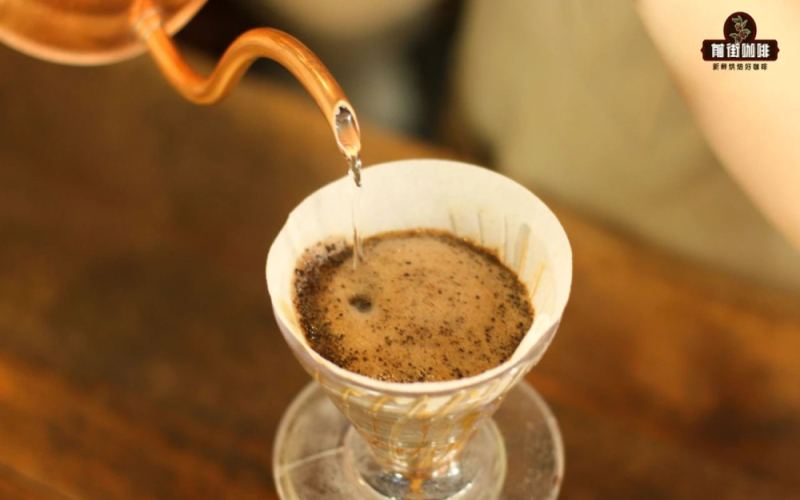
A Complete Guide to the V60 Three-Pour Hand Brew: How Pouring Rhythm and Parameters Make a Great Cup of Coffee
In the world of pour-over coffee, brewing styles emerge one after another—single-pour, 4:6 method, volcano pour, and Kono style each have their followers. However, Front Street Coffee has always insisted on the three-stage pour as the standard method for its shop offerings. This is not stubborn conservatism, but rather because three-stage brewing has extremely broad applicability and excellent reproducibility. This article will use a V60 dripper paired with Front Street Red Cherry coffee beans as an example to fully demonstrate the three-stage brewing process, from blooming, the second pour, to the third and final pour, breaking down key parameters such as water temperature, coffee dose, coffee-to-water ratio, grind size, and timing control one by one, to help coffee enthusiasts build a stable and repeatable pour-over framework. [more…]
Essential Pour-Over Coffee Equipment | Where Did the Hario V60 Dripper Come From? What Is the Extraction Ratio for Brewing Pour-Over Coffee with a V60? What Is the Difference Between the One-Pour and Three-Pour Water-Pouring Techniques?
When asked what coffee brewing dripper Front Street recommends, the baristas at Front Street almost unanimously answer: V60! The V60 dripper's long ribs help rapidly extract flavor compounds, and its large hole poses no risk of clogging, resulting in coffee with layered complexity. Whether you're a beginner or a seasoned connoisseur, whether you want a refreshing [more…]
Geisha 8.0 Coffee Beans Pour-Over Guide: A Complete Analysis from Natural Processing to V60 Three-Stage Extraction
Huakui coffee, with its rich fruity aroma and sweetness, has become a favorite among many coffee lovers. This naturally processed bean from the Guji Hambela region—how exactly should it be brewed to showcase its best flavors? This article will walk you through Huakui's origin background and processing method, and share in detail Front Street Coffee's V60 pour-over parameters and three-stage pouring technique. From grind size selection and water temperature control to coffee-to-water ratio, every step is clearly presented to help you easily recreate a cup of Huakui 8.0 bursting with berry aromas at home. [more…]
Pour-Over Coffee Equipment Guide: V60 Dripper Design Principles, Material Comparison, and Detailed Explanation of One-Pour and Three-Stage Extraction Methods
In the world of pour-over coffee, the V60 dripper is an almost unavoidable classic piece of equipment. With its conical structure, large aperture, and spiral rib design, it can accommodate a variety of roast levels and brewing techniques, making it the dripper choice unanimously recommended by Front Street Coffee baristas. This article will start from the three major design elements of the V60, analyze its extraction principles, compare the heat retention and price differences among resin, ceramic, and glass materials, and explain in detail key parameters such as grind size, water temperature, and coffee-to-water ratio. Finally, using Front Street Coffee Costa Rica Strawberry Candy coffee beans as an example, it will provide a hands-on comparison of the flavor presentation differences between the one-pour and three-stage brewing methods, helping coffee enthusiasts find a brewing method that suits them. [more…]
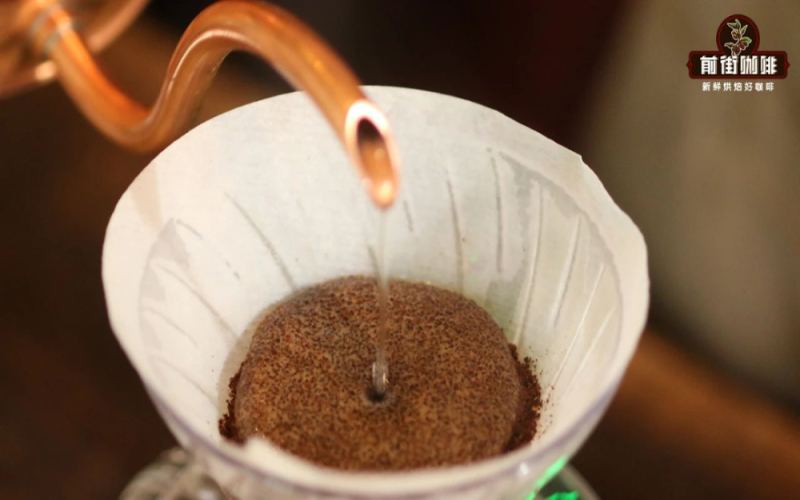
A Complete Guide to Three-Pour Hand-Brewed Coffee: Blooming Techniques, Water Distribution, and V60 Practical Guide
The three-pour method is one of the most classic and highly regarded extraction techniques in pour-over coffee. By splitting the total water volume into three pours and including two interruptions in between, it adjusts the proportion of flavors from the front, middle, and back ends of the coffee. Starting from the principles of staged pouring, this article breaks down the blooming step in detail and the logic behind water distribution for each stage. Using 15 grams of Front Street washed Yirgacheffe with a Hario V60 dripper as an example, it provides a complete demonstration of the three-pour pour-over process and parameter settings, helping coffee enthusiasts master this brewing method that balances harmony and complexity. [more…]
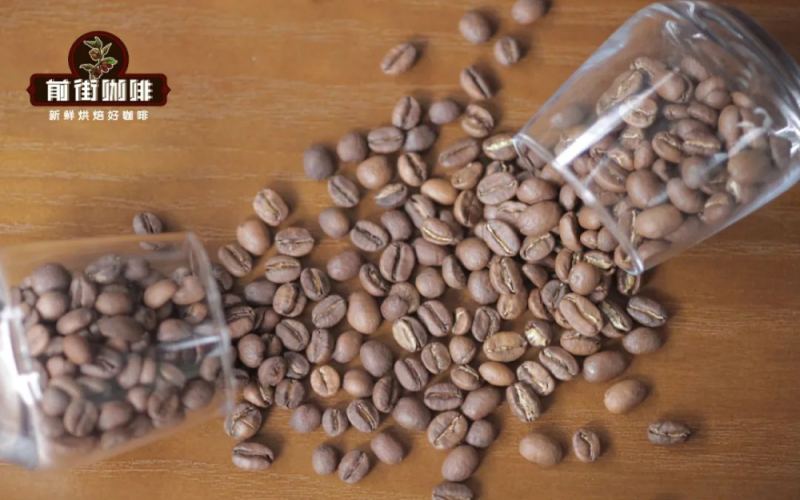
Yirgacheffe Pour-Over Guide: Flavor Characteristics, Roasting Logic, and Three-Stage Extraction Practice
Yirgacheffe, with its complex profile of citrus, lemon, berries, and floral notes, plus a clear tea-like body, has become the go-to entry choice for many coffee lovers. This article focuses on this classic Ethiopian bean, sorting out the key factors behind its flavor formation—from the introduction of the washed processing method and the accidental discovery of medium-light roasting, to the equipment setup, grinding, and water temperature parameters needed for home pour-over. At the same time, using 15 grams of coffee and a 1:15 coffee-to-water ratio as an example, it breaks down the specific steps and timing of a three-stage pour, and explains the roasting settings of Front Street Coffee's three Yirgacheffe daily-drinker beans, helping readers reliably reproduce a bright, delicate cup at home. [more…]
Colombian Coffee Beans Pour-Over Practical Guide: V60 Three-Pour Extraction Parameters and Flavor Performance Analysis
Colombia, as the world's third-largest coffee producer and the largest exporter of Arabica, has become synonymous with high-quality coffee thanks to its high altitudes, volcanic ash soils, and microclimates. This article focuses on Front Street Colombian coffee beans, providing a detailed introduction to the specific V60 pour-over method, including water temperature, grind size, coffee-to-water ratio, and the three-stage pouring technique, while also explaining the flavor layers that this brewing method brings out. At the same time, the article also outlines the division of Colombia's commercial and specialty production regions, helping readers gain a more comprehensive understanding of this producing country's coffee landscape. [more…]

A Detailed Guide to Pour-Over Coffee Water Pouring Techniques: The Stages and Practical Key Points of the V60 Three-Pour Method
The flavor expression of pour-over coffee depends to a large extent on the pouring method and staged strategy. As one of the most representative pour-over devices, the V60 dripper is widely used with its three-stage brewing method, but how to divide the stages correctly and how to allocate the water volume and time for each stage remain questions that puzzle many enthusiasts. Starting from the principles of pouring, this article will break down in detail the staging logic of V60 three-stage brewing, explain the purpose of each pouring stage, the water volume ratio, and the operating rhythm, and, combined with the practical experience of Front Street Coffee, help readers build a clear pour-over framework and improve brewing stability and flavor fidelity. [more…]
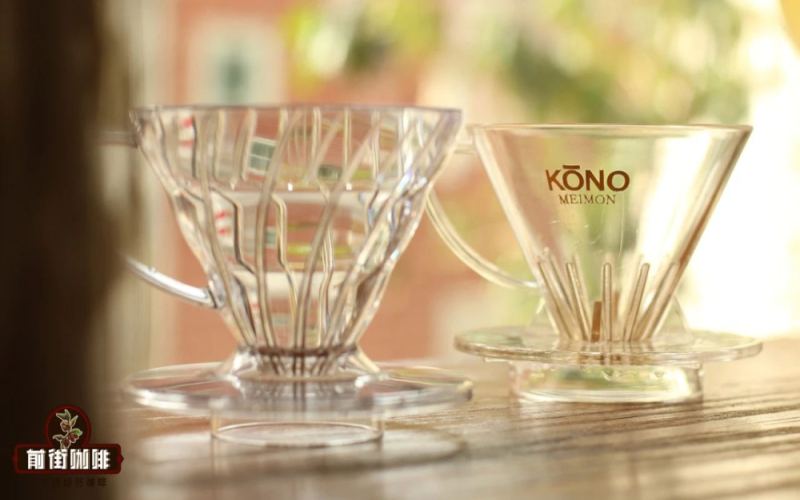
The origins and design features of the Hario V60 dripper, along with a detailed explanation of pour-over steps and brewing parameters
Among pour-over coffee gear, the V60 dripper is undoubtedly the most popular, and the top choice for many coffee enthusiasts just getting started. Designed by the Japanese company Hario, its clever features—a 60-degree conical shape, large drainage hole, and spiral ribs—make extraction flow rate and flavor control flexible and variable. Front Street Coffee often uses the V60 to brew light roasts, and uses the KONO dripper as a contrast for the immersion-style extraction of dark roasts. This article will sort out the V60's history and working principle, its differences from the KONO, and explain in detail the complete process from rinsing the filter paper to three-stage pouring, while also offering practical suggestions on water temperature, grind size, coffee-to-water ratio, and extraction time to help you brew a cup of coffee with rich layers more consistently. [more…]
Front Street Colombia Botón Estate Maragogype Pour-Over Guide: V60 Three-Stage Extraction Parameters and Flavor Analysis
El Boton Estate in Antioquia, Colombia, has been run by the Herran family since 1930, and for nearly a century has grown only one variety: Maragogype. Annual production is just 600 bags. These beans are about three times the size of ordinary Arabica, making them the largest coffee beans in the world. Front Street Coffee brings you this El Boton Maragogype, which has a prominent sweetness on entry, with fruity acidity of grape and pomegranate and a full-bodied, black-tea-like richness. This article will break down the complete brewing approach for these giant beans layer by layer, from the estate's story, the characteristics of the Maragogype variety, and the washed processing method, to roasting recommendations and V60 three-pour hand-brew parameters, helping coffee lovers fully release its rich fruity aroma and soft nutty notes. [more…]
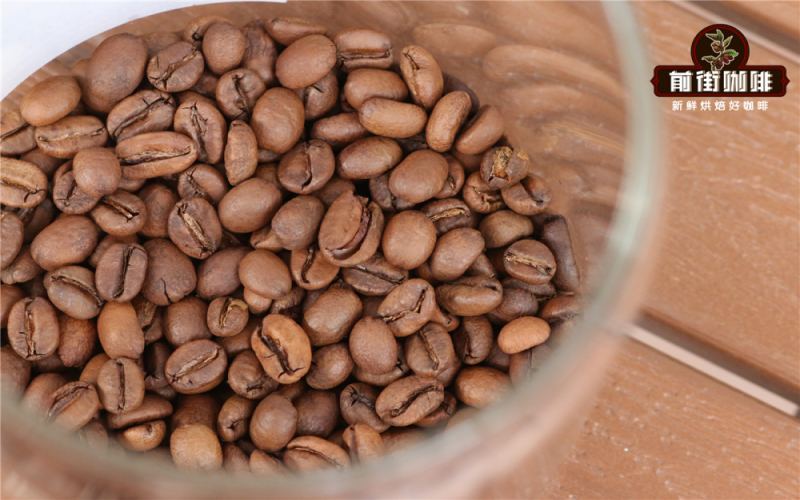
Complete Guide to Yirgacheffe Pour-Over: Practical Guide to Staged Pour Ratios and Extraction Parameters
Front Street washed Yirgacheffe is known for its jasmine, citrus, lemon, and berry aromas, but to brew out its clean, bright floral and fruity character, you need to control everything from the bean's characteristics, grind size, and water temperature to the pouring technique. This article focuses on the medium-light roast style of Front Street Yirgacheffe, walks through hand-brewing equipment preparation, grind and water temperature parameters, and the extraction logic of the V60 dripper, and provides the specific ratios and steps for a three-stage pour, helping coffee lovers build a reusable brewing framework so that Yirgacheffe's aromas come through more clearly. [more…]
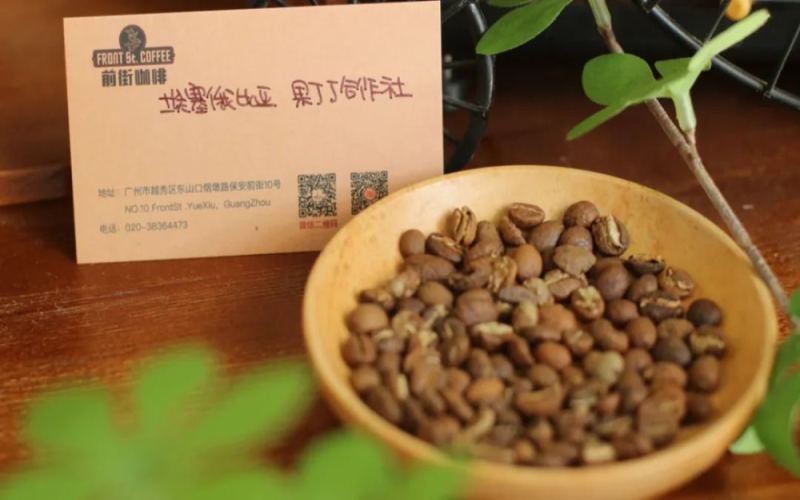
Yirgacheffe Pour-Over Guide: How 92–93°C Water Unlocks Floral Aromas and Citric Acidity
Yirgacheffe is famous for its enchanting floral aroma and citric acidity, but if you want to brew this kind of flavor at home, water temperature, grind size, and pouring technique are all crucial. Using two beans, the washed Gedingding Cooperative and the natural Red Cherry, Front Street Coffee shares a complete approach from cupping comparison to actual pour-over brewing. This article will analyze in detail why a high temperature of 92-93°C best brings out the floral and fruity notes, how the spiral ribs of the V60 dripper affect the layers of extraction, and the specific rhythm of the three-stage pouring method, helping you reproduce a cup of Yirgacheffe that is clean and sweet with an obvious lingering sweetness. [more…]
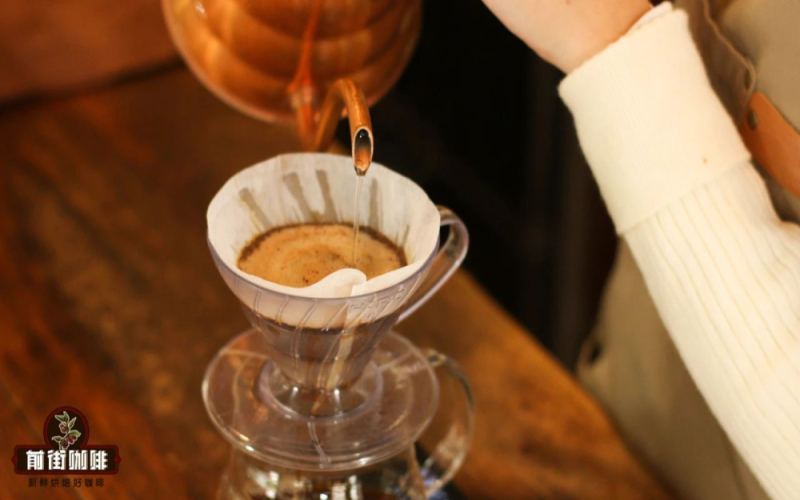
Hario V60 Dripper Design Principles and Pour-Over Tutorial: From Parameter Adjustment to Ethiopian Yirgacheffe Practice
Many coffee enthusiasts are often puzzled: why does coffee brewed with the same V60 dripper turn out bland and tasteless? Front Street Coffee systematically sorts out the key points of V60 brewing from six dimensions: coffee bean freshness, grind size, coffee-to-water ratio, water temperature, pouring technique, and time. The article first explains how the 60-degree cone angle, spiral ribs, and large hole of the Hario V60 dripper work together to affect flow rate and extraction, then breaks down the mechanism by which each parameter affects flavor one by one. Finally, using Ethiopian Yirgacheffe Gutingding as an example, it provides a reusable three-stage brewing recipe and flavor description to help readers find the direction for adjustment. [more…]
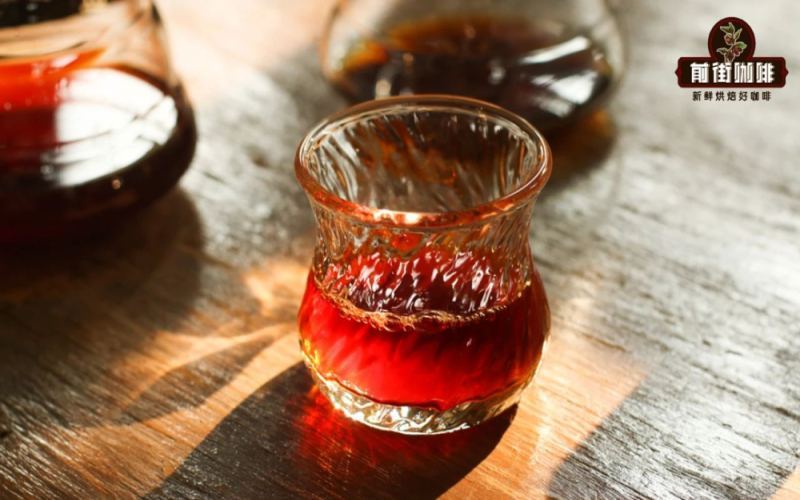
A Complete Guide to the Three-Pour Method for Hand-Drip Coffee: Key V60 Dripper Techniques and Parameter Details
To brew a pour-over coffee with clear flavors and rich layers, mastering the segmented pouring technique is key. Using Front Street Coffee's store output as an example, this article systematically covers the complete pour-over process—from equipment preparation, water quality selection, grind size, and water temperature control to the coffee-to-water ratio—and breaks down each step of the three-stage pouring method for the V60 dripper in detail. It also uses a Panama Boquete washed Geisha as a demonstration, presenting the entire process from blooming to the completion of dripping, helping enthusiasts understand how to adjust pouring rhythm and technique to fully bring out the floral and fruity characteristics of the coffee beans themselves. [more…]
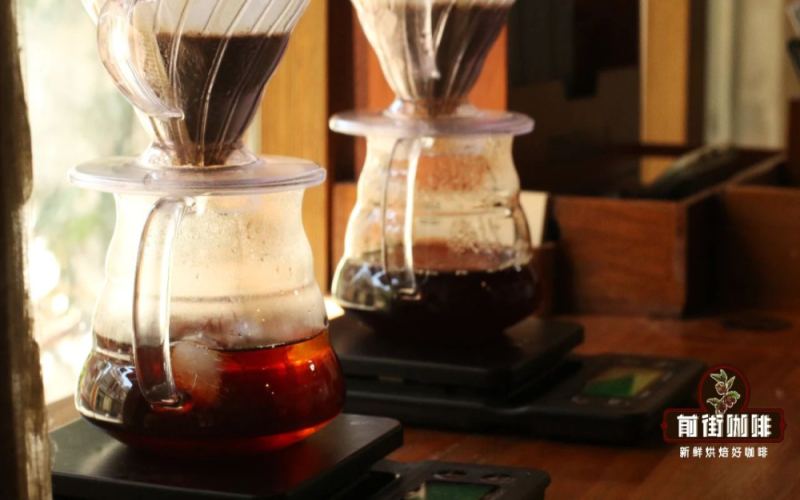
A Complete Beginner's Guide to Pour-Over Coffee: A Practical Analysis of How Coffee-to-Water Ratio, Grind Size, Water Temperature, and Pouring Technique Affect the Flavor of Dark and Light Roasts
The reason pour-over coffee is so fascinating is that every variable can be actively adjusted, thereby changing the final flavor direction. This article starts from Front Street Coffee's brewing experience, systematically sorting out the five core parameters of coffee-to-water ratio, coffee dose, grind size, water temperature, and time, and combines them with three pouring techniques—one-pour, three-stage, and stirring method—using Yirgacheffe Kochere and Golden Mandheling as two examples to separately explain the differences in brewing strategies for light-roast and dark-roast coffee beans. Whether you are a beginner who has just encountered pour-over or an enthusiast hoping to further understand the logic of extraction, this guide can help you establish a clear brewing framework and consistently reproduce a good cup of coffee at home. [more…]
Yirgacheffe Washed Gudingding Pour-Over Parameters Sharing | What Are the Differences in Pour-Over Brewing Water Temperature, Pouring Technique, and Extraction Time Between Dark Roast and Light Roast Coffee Beans?
For more specialty coffee knowledge, please follow: Front Street Coffee (Frontsteet Coffee). The most charming thing about pour-over coffee is its adjustability. Many customers who often come to Front Street for coffee also try making pour-over at home, and they always say that pour-over coffee is too difficult. [more…]
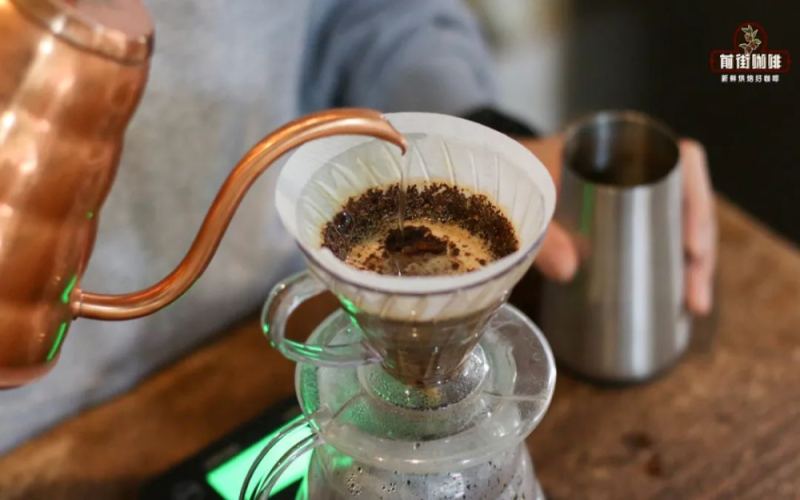
Complete Guide to Yirgacheffe Pour-Over: From Bean Selection and Grinding to Three-Pour Extraction Parameters
To brew a pour-over Yirgacheffe with distinct layers of flavor, good beans alone are not enough. From equipment pairing to grind size, water temperature control, and pouring rhythm, every step affects the final cup. This article uses Front Street Coffee's washed Yirgacheffe everyday beans as an example to systematically explain the complete extraction approach for pour-over coffee: how to choose beans suitable for practice, why a medium-light roast calls for an 80% sieving rate and a water temperature of 91–93°C, and how the V60 dripper's flow-guiding structure affects extraction layering. It also provides a three-stage pouring plan and timing for 15 g of coffee at a 1:15 coffee-to-water ratio, helping beginners build a clear and reproducible brewing framework. [more…]
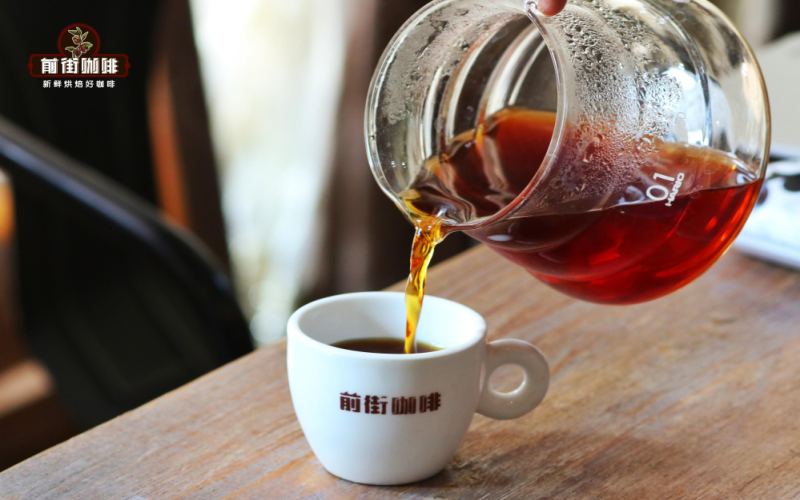
Yirgacheffe Pour-Over Parameters Explained in Detail: A Full Breakdown of Coffee-to-Water Ratio, Grind Size, and Three-Pour Technique
Yirgacheffe stands out in specialty coffee with its light and elegant floral-fruity tea-like character, and its bright citrus acidity paired with rich white florals has won the hearts of countless coffee lovers. However, to fully unlock the delicate flavors of this bean, every step matters, from grind size and water temperature control to the pouring rhythm. This article takes the Front Street washed Yirgacheffe daily beans as an example and breaks down the complete process of pour-over Yirgacheffe in detail, covering equipment preparation, grind size settings, water temperature selection, dripper pairing, and the specific operating parameters for three-stage pouring, helping beginners build a clear pour-over framework so they can consistently reproduce a layered cup of Yirgacheffe at home. [more…]

Yirgacheffe Coffee Flavor Analysis and Pour-Over Tutorial: A Complete Guide from Origin to Extraction
Yirgacheffe has won the hearts of many coffee lovers with its elegant floral aroma and bright fruity acidity. To recreate this fresh, non-bitter pour-over at home, you first need to understand its origin background, processing method, and roasting logic, and then master key parameters such as grinding, water temperature, and pouring. This article begins with the origins of Front Street Yirgacheffe, explains how washed processing shapes its clean citrus notes, analyzes why it is so widely popular, and shares the specific steps for a three-stage pour-over, helping you brew a Yirgacheffe at home that is closer to the café flavor. [more…]
Washed Yirgacheffe Pour-Over Guide: Flavor Profile Analysis and Brewing Parameters & Techniques
Front Street's washed Yirgacheffe is renowned for its fresh floral and fruity aromas of jasmine, citrus, lemon, and berries, and many coffee lovers want to recreate it at home after tasting it in the shop. This article begins with the origin background of Front Street Yirgacheffe, the advantages of the washed processing method, and the choice of roast level, then breaks down in detail the equipment preparation required for pour-over, grind size settings, water temperature control, and dripper selection, and shares the complete hands-on steps of three-stage pouring. Whether you are a beginner just starting out or a seasoned brewer looking to refine your technique, you can find practical reference here to fully release the floral and fruity aromas of this classic Yirgacheffe. [more…]